
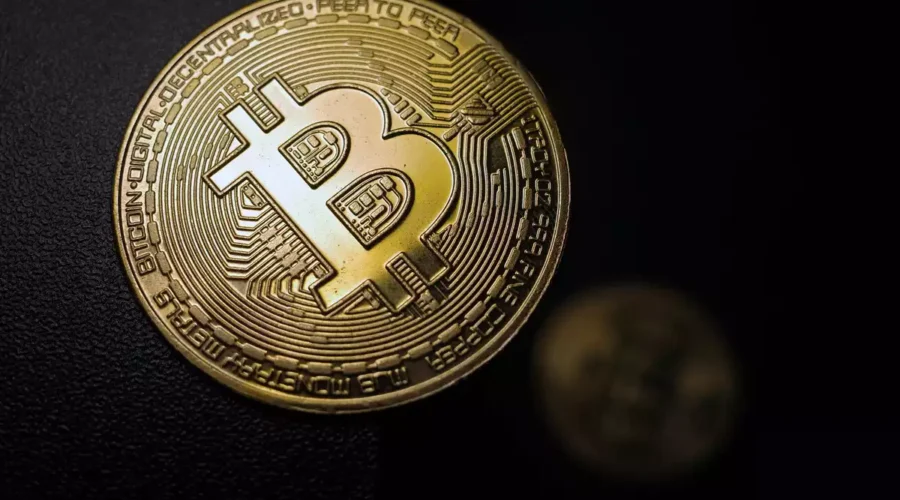
Bitcoin’s price soared to new heights, surpassing $107,000, following President-elect Donald Trump’s reiterated plans for a U.S. Bitcoin Strategic Reserve. While the idea has stirred the crypto community, there are still many unanswered questions about how such a reserve would function and whether it could truly reshape global finance. Let’s explore what a U.S. Bitcoin Strategic Reserve could look like and the potential benefits and risks involved.
What is a Strategic Reserve?
A strategic reserve refers to a stockpile of vital resources that a nation maintains to ensure its economic stability during times of crisis or unexpected disruptions. The most familiar example of such reserves is the U.S. Strategic Petroleum Reserve (SPR), which was created in 1975 in response to the 1973-74 Arab oil embargo. The SPR holds the world’s largest supply of emergency crude oil, which has been tapped into during times of war, natural disasters, or supply shortages.
Other countries maintain strategic reserves for various commodities. For instance, Canada famously holds the world’s only maple syrup reserve, and China has stockpiles of essential resources such as metals, grains, and even pork.
So, how would a U.S. Bitcoin Strategic Reserve work? Let’s break it down.
How Would a U.S. Bitcoin Reserve Work?
Creating a Bitcoin Strategic Reserve in the U.S. is a novel concept that many are still grappling with, both from a legal and logistical standpoint. The reserve would function similarly to the U.S. Strategic Petroleum Reserve, but instead of crude oil, the government would hold Bitcoin as a critical financial asset.
However, legal experts are divided on whether President Trump could use his executive powers to create the reserve, or if an act of Congress would be necessary. Some have argued that Trump could use his authority to direct the U.S. Treasury’s Exchange Stabilisation Fund to hold Bitcoin, just as it does with foreign currencies. The question remains: Could this be a feasible option?
In the event that a Bitcoin reserve is created, a potential starting point could be the bitcoin seized from criminal organizations. According to BitcoinTreasuries.net, the U.S. government currently holds roughly 200,000 bitcoins, valued at approximately $21 billion at the current price of Bitcoin. These coins were seized by the U.S. government through law enforcement operations targeting illegal activities. However, it’s unclear how these assets could be legally transferred to the proposed Bitcoin reserve, especially considering that they are managed by the Justice Department.
But what about expanding the reserve? Would the U.S. government purchase more Bitcoin on the open market? If so, one potential avenue could be for the government to issue debt to fund Bitcoin acquisitions. Some proponents have suggested using the U.S. gold reserves as a source of funds for buying Bitcoin, converting gold into the digital currency in an attempt to diversify the nation’s assets.
A U.S. Bitcoin Strategic Reserve Proposal
The most developed proposal for a U.S. Bitcoin reserve comes from Senator Cynthia Lummis, a pro-crypto Republican from Wyoming. Lummis, who holds five bitcoins, introduced a bill in July that envisions a Bitcoin Reserve operated by the U.S. Treasury.
According to her bill, the Treasury would begin buying 200,000 bitcoins annually for five years until it holds a total of 1 million bitcoins, which would represent about 5% of the total global supply of Bitcoin (which is capped at 21 million coins). Lummis suggests that the Treasury could fund these purchases with the profits from Federal Reserve deposits and the U.S. gold holdings.
Once the stockpile reaches 1 million bitcoins, it would be maintained for at least 20 years, allowing the U.S. government to benefit from Bitcoin’s long-term appreciation.
Benefits of a U.S. Bitcoin Reserve
Trump and other Bitcoin advocates believe a U.S. Bitcoin Strategic Reserve could offer several significant benefits, both for the economy and the country’s role in the global financial system.
- Reducing U.S. Deficit: Proponents argue that Bitcoin, given its deflationary nature and potential for long-term value appreciation, could be used to reduce the U.S. national debt without raising taxes. As Bitcoin continues to gain value, its reserves could offset future deficits.
- Strengthening the U.S. Dollar: A U.S. Bitcoin reserve could help strengthen the U.S. dollar by positioning the U.S. as a global leader in digital currency adoption. In turn, this would increase the dollar’s influence on the world stage, giving the U.S. more leverage against economic powers like China and Russia.
- Protection Against Inflation: Bitcoin is often viewed as a hedge against inflation. If the U.S. government holds a significant amount of Bitcoin, it could protect the country’s financial system from inflationary pressures that typically affect fiat currencies.
- Global Bitcoin Market Leadership: By holding a significant amount of Bitcoin, the U.S. would position itself as a dominant player in the global Bitcoin market, which could give it an edge over other countries, especially China, which has already taken steps to control its own cryptocurrency ecosystem.
In essence, supporters believe that a U.S. Bitcoin Strategic Reserve could be an innovative way to manage national resources in the digital age, creating new avenues for economic stability.
Risks of a Bitcoin Reserve
Despite the potential benefits, there are also notable risks to implementing a Bitcoin Strategic Reserve. Critics of the idea argue that Bitcoin may not be as stable or reliable as other reserve assets like gold or U.S. Treasury bonds. Here are some key concerns:
- Volatility: Bitcoin is notorious for its volatility. Unlike oil, gold, or even U.S. Treasury bonds, Bitcoin’s price can swing wildly in short periods. This volatility could make it difficult for the U.S. government to rely on Bitcoin as a stable reserve asset, especially during times of economic uncertainty.
- No Intrinsic Use: Unlike oil or precious metals, Bitcoin has no intrinsic use outside of being a store of value or a means of exchange. Its value is largely driven by speculation and demand, making it a less reliable asset for a reserve compared to traditional commodities.
- Cybersecurity Risks: Digital wallets holding Bitcoin are vulnerable to hacking and theft. A Bitcoin reserve would require sophisticated cybersecurity measures to protect against potential cyberattacks, making it a high-risk endeavor.
- Impact on Bitcoin’s Price: The U.S. government’s large-scale purchases and sales of Bitcoin could have a massive impact on its price. These actions could exacerbate Bitcoin’s volatility, making it harder to maintain the stability needed for a reserve.
- Lack of Regulation: Bitcoin is still not fully regulated by the U.S. government, and its legal status remains unclear. Any significant changes in regulation could undermine the value of the reserve or lead to unforeseen consequences.
Conclusion: Is a U.S. Bitcoin Reserve Feasible?
The concept of a U.S. Bitcoin Strategic Reserve is an ambitious and bold proposal that could reshape the global financial landscape. While the potential benefits of holding Bitcoin as a reserve asset are compelling, the risks involved—such as volatility, cybersecurity threats, and the lack of intrinsic use—raise questions about its practicality.
If implemented carefully, a Bitcoin reserve could provide a new avenue for managing U.S. assets and protecting against inflation. However, its success would depend on careful planning, regulation, and a deep understanding of the cryptocurrency markets. As Bitcoin continues to mature, it remains to be seen whether such a reserve would provide long-term value to the U.S. economy
Disclaimer: The above press release has been provided by a third party. We do not verify or endorse the content and will not be responsible for any inaccuracies, claims, or damages arising from the same.