
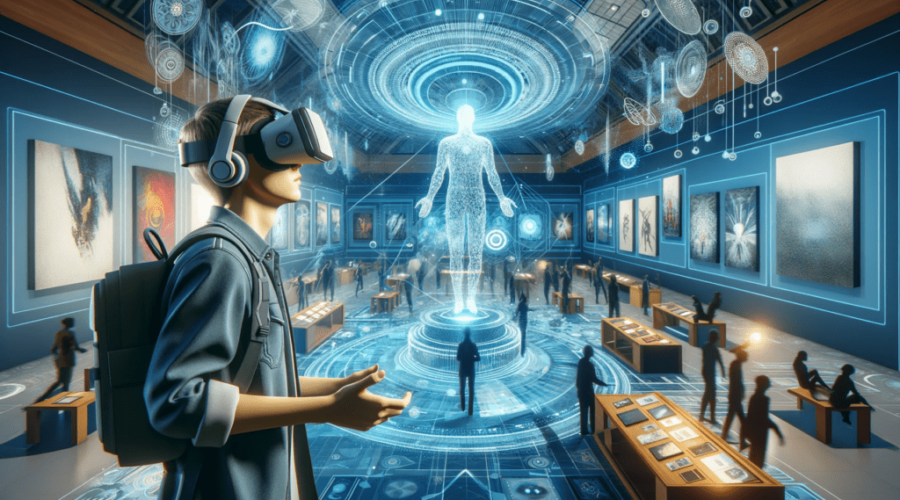
Non-Fungible Tokens (NFTs) initially captured the spotlight in the art world, where they revolutionized how digital art was bought and sold. However, this innovative technology has evolved, transcending the art industry to influence sectors such as finance, healthcare, supply chain management, and gaming. NFTs are no longer just collectible digital images; they are reshaping the way we manage assets, ownership, and transactions in the real world.
In this article, we’ll dive into how NFTs are making waves across industries and why businesses should start paying attention to this technological shift.
What Are NFTs? An Introduction to Non-Fungible Tokens
NFTs, or Non-Fungible Tokens, are unique digital assets that are secured on a blockchain. Unlike cryptocurrencies such as Bitcoin or Ethereum, which are interchangeable (fungible), NFTs are one-of-a-kind or exist in limited quantities. Each NFT represents proof of ownership, authenticity, or access to a specific asset.
Initially popularized in the world of digital art, NFTs have since gained traction in various industries. Their value lies in the security, transparency, and immutability provided by blockchain technology, which makes them an attractive option for businesses looking to innovate and streamline operations.
Real-World Applications of NFTs: Revolutionizing Key Industries
NFTs have expanded well beyond their initial application in the art world. Let’s explore how these digital assets are transforming various sectors and offering businesses new opportunities.
1. Revolutionizing Real Estate and Property Management
One of the most promising applications of NFTs is in the real estate sector. NFTs can represent ownership of real-world assets like property deeds, leases, and even fractional ownership in real estate.
Example: Property transactions can be streamlined using NFTs, allowing buyers and sellers to transfer ownership rights faster and more securely, reducing the need for intermediaries like lawyers and agents.
2. Enhancing Supply Chain Transparency
Supply chains are often fraught with inefficiencies, fraud, and a lack of transparency. NFTs can track the movement of goods from the point of origin to their final destination, ensuring that products are authentic and ethically sourced.
Example: Luxury brands can utilize NFTs to certify the authenticity of their products, providing customers with proof of origin and assurance that they are buying genuine items.
3. Transforming Healthcare with Secure Data Management
NFTs are changing the way we manage sensitive data. In healthcare, NFTs could be used to represent patient records, ensuring that data is stored securely and only accessible to authorized individuals.
Example: An NFT could represent a patient’s medical history, enabling seamless sharing of health data among healthcare providers while maintaining strict privacy standards.
4. The Future of Gaming and Virtual Assets
NFTs have found a home in the gaming industry, where they enable players to own, trade, and sell in-game assets. Characters, skins, weapons, and other digital items can be tokenized, allowing players to engage in real economies within virtual worlds.
Example: Games like Axie Infinity allow players to buy, sell, and trade NFT-based characters and assets, even earning real income in the process.
5. Innovative Event Ticketing and Memberships
NFTs can be used to represent digital tickets for events or exclusive memberships. This application is gaining traction as NFTs offer better security features, reducing the risk of counterfeit tickets or fraud.
Example: Event organizers can issue NFT-based tickets that are tamper-proof and offer innovative resale mechanisms, ensuring a transparent secondary market.
6. Protecting Intellectual Property and Copyright
NFTs provide creators such as artists, musicians, and writers with a new way to protect their intellectual property. By minting an NFT for their work, creators can prove ownership and ensure they receive royalties on future sales or transfers.
Example: An author could mint an NFT for their manuscript, earning royalties each time it is resold or transferred to another owner.
7. Innovative Fundraising and Charity
NFTs are also being used in the charity and fundraising space. By auctioning unique NFT collectibles, organizations can raise money for causes while providing donors with a valuable digital asset.
Example: Celebrities and brands have auctioned NFTs to raise funds for various charities, providing a way for donors to contribute while receiving a collectible token in return.
The Challenges Facing NFTs
While NFTs offer exciting potential, there are several challenges that need to be addressed:
1. Environmental Concerns
NFT minting can be energy-intensive, especially on blockchains that use proof-of-work consensus mechanisms. However, new eco-friendly solutions, such as layer-2 protocols and sustainable blockchains, are emerging to mitigate these concerns.
2. Regulatory Uncertainty
NFTs exist in a largely unregulated space, and governments are still working to establish frameworks to govern their use. This uncertainty could impact businesses looking to adopt NFT technology.
3. Market Volatility
NFT values can fluctuate significantly, making them a potentially risky investment. While some NFTs have sold for millions, their prices can also drop dramatically, creating instability in the market.
The Future of NFTs: What’s Next?
As blockchain technology evolves, NFTs are expected to become even more integrated into various industries. Layer-2 solutions, which enhance blockchain scalability and reduce transaction costs, will make NFTs more accessible and efficient. Additionally, eco-friendly blockchain platforms will address concerns about the environmental impact of NFTs.
In the near future, businesses across various sectors will continue to explore new ways to leverage NFTs for ownership, verification, and consumer engagement. Early adopters will be well-positioned to capitalize on the potential of NFTs and digital assets.
Conclusion: Embracing the NFT Revolution
NFTs are no longer limited to the world of digital art. They are transforming a wide range of industries, offering businesses new opportunities to innovate, streamline operations, and improve customer engagement. By adopting NFTs, companies can position themselves at the forefront of the digital economy and benefit from the security, transparency, and efficiency that blockchain technology offers.
At AleaIT Solutions, we are committed to helping businesses explore the potential of NFTs and blockchain technology. Contact us today to learn more about how NFTs can benefit your organization.
Disclaimer: The above press release has been provided by a third party. We do not verify or endorse the content and will not be responsible for any inaccuracies, claims, or damages arising from the same.